.png)
-
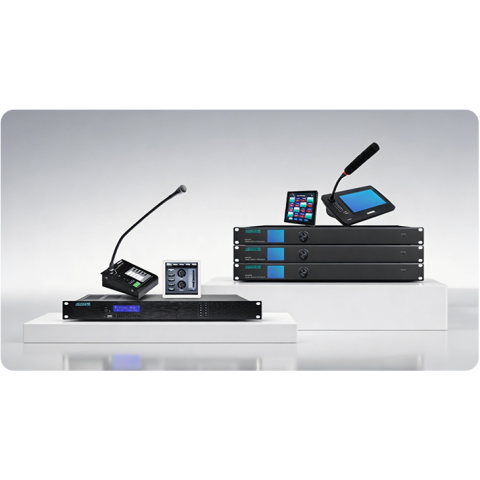
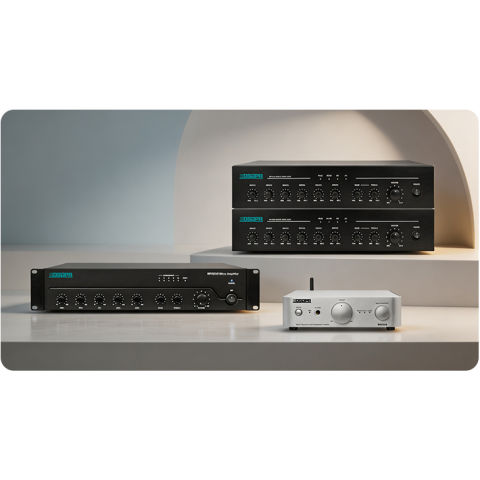
Commercial ControllerCommercial AmplifierMulti-media Mixer AmplifierMatrix Amplifier
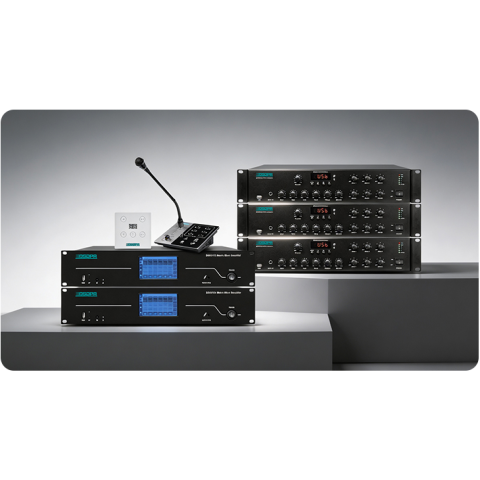
Matrix Amplifier
Integrated amplification and mixing with independent multi-zone audio control.
-
NEW


6x120W / 6-Channel
6x120W 6-Channel Digital Matrix Amplifier with Remote Zone Control
DMA6112 -
NEW


6x240W / 6-Channel
6x240W 6-Channel Digital Matrix Amplifier with Remote Zone Control
DMA6124 -
NEW


30±3mV
Paging Microphone with Chimes and 6-Zone Selection
DMA60M -
NEW


95V<1% 100V<5%
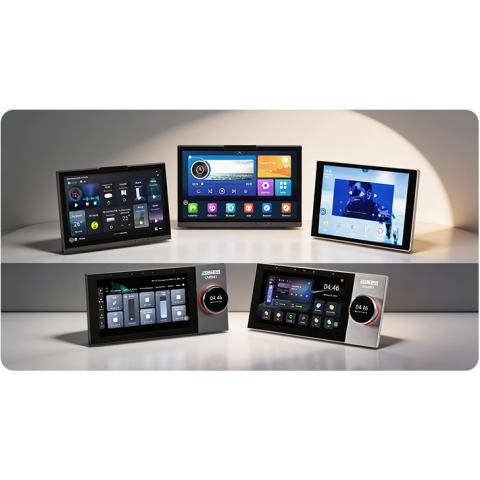
Bluetooth Wall Touch Screen Panel
DMA60W
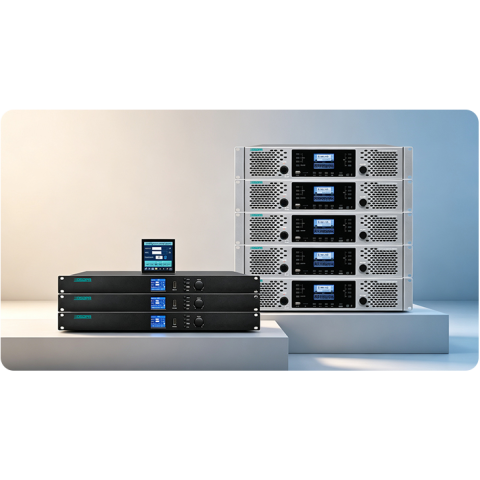
Classical Commercial AmplifierDante / DSP Amplifier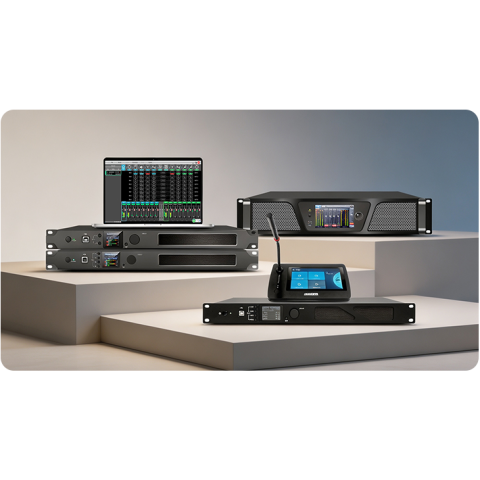
Dante / DSP Amplifier
Networked audio amplification with integrated DSP processing for flexible system integration.
-
AC 100~240V, 50Hz/60Hz
4 Channel Power Amplifier with built in DSP Audio Processor & AES67
DDA403 -


2-Channel 30W / 4Ω
2-Channel 30W @ 4Ω Mini Dante Network Power Amplifier
DT2004 -

2-Input 2-Output
Surface-Mount 2-Input / 2-Output Dante / AES67 Network Audio Interface
DT2002 -
-194x130-resize.jpg)
-194x130-resize.jpg)
4*1500W 8Ω / 4*2000W 4Ω
Professional Networked Audio Class D Amplifier with DSP & Optional Dante Integration
DDA415D
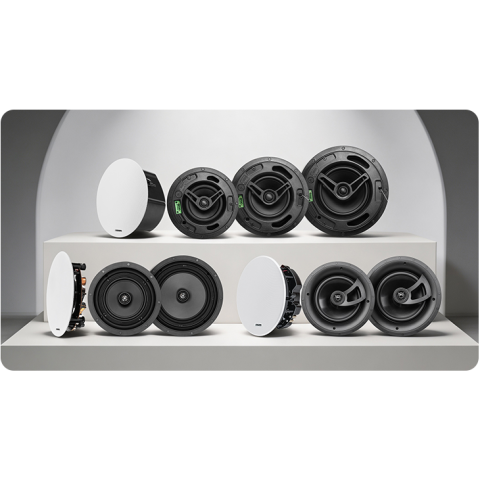
WiFi Commercial Audio SystemCommercial SpeakerCommercial Ceiling SpeakerCommercial Wall Mount Speaker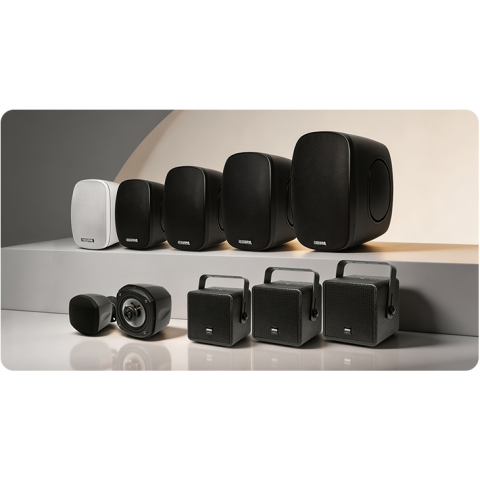
Commercial Wall Mount Speaker
Surface-mounted sound delivery for flexible installation and reliable sound performance.
-
NEW

20W 4"
20W Commercial Weather-Resistant Surface Mount Speaker
DSP6020 -
NEW

50W 6.5''
50W Commercial Weather-Resistant Surface Mount Speaker
DSP6050 -


10W 2.75''
10W 2.75'' Commercial Mini Satellite Speaker with Power Tap
DSP118 -


20W 4''
20W 4'' Commercial Mini Satellite Speaker with Power Tap
DSP129
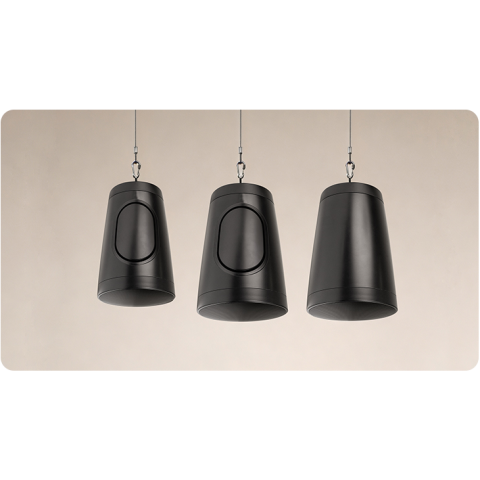
Commercial Pendant SpeakerCommercial Horn Speaker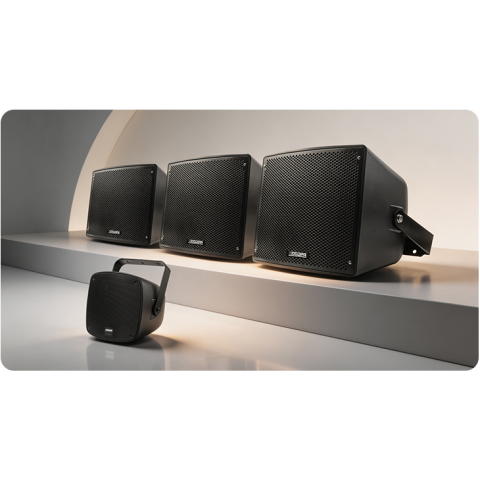
Commercial Horn Speaker
High-efficiency acoustic output for long-distance projection and high intelligibility.
-
NEW


100W 6.5''
100W 6.5'' 2-Way Commercial Weatherproof Horn Loudspeaker
DSP4006 -


100W 8"
100W 8" Commercial Weather-Resistant Surface Mount Horn Loudspeaker (70V/100V/8Ω)
DSP0810 -


120W 8''
120W 8'' 2-Way Commercial Weatherproof Horn Loudspeaker
DSP3008H -


200W 10''
200W 10'' 2-Way Commercial Weatherproof Horn Loudspeaker
DSP3010H
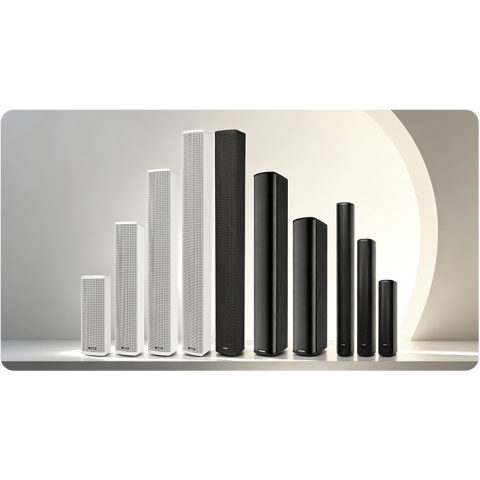
Commercial Column SpeakerCommercial Subwoofer SpeakerPhased Array Column Speaker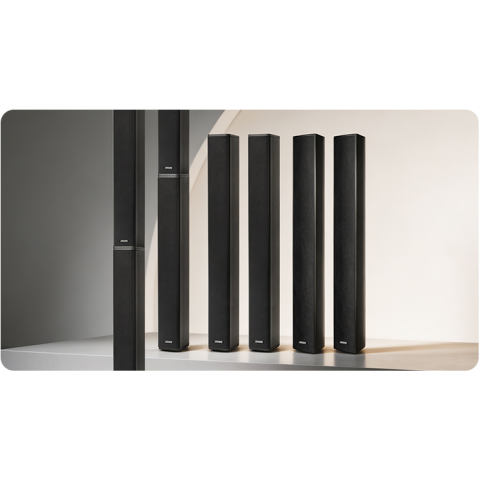
Phased Array Column Speaker
Precise sound coverage for enhanced speech intelligibility and reduced acoustic interference.
-
-194x130-resize.jpg)
-194x130-resize.jpg)
AC100-240V /50-60Hz / 100-240 Hz
300W High-Performance Professional Active Powered Subwoofer
DSP1500S -
-194x130-resize.jpg)
-194x130-resize.jpg)
8×4 inch / 200W
200W High-Performance Professional Slave Steerable Column Loudspeaker
DSP1500L -
-194x130-resize.jpg)
-194x130-resize.jpg)
8×25W / AC 100V–240V 47- 63Hz
High-Performance Professional Digitally Steerable Phased Array Column Loudspeaker
DSP1500T -
High-Precision Professional Digitally Steerable Phased Array Column Loudspeaker
DSP1500
Intelligent Audio SystemSmart Home Audio SystemParty Speaker-480x480-resize.png)
Party Speaker
Portable high-output audio system with dynamic sound performance and integrated entertainment features.
-
-194x130-resize.jpg)
-194x130-resize.jpg)
Woofer:1×6.5 inch + Tweeter:2×2 inch / 60W
Wireless Portable Bluetooth Speaker
DSP1602 -
-194x130-resize.jpg)
-194x130-resize.jpg)
Woofer:1×6.5 inch + Tweeter:2×2 inch / 60W
Wireless Portable Bluetooth Speaker
DSP1601 -

-194x130-resize.jpg)
6.5 inch + 6.5 inch Woofer 1” inch Tweeter / 120W
120W Powerful Party Speaker with Dual Wireless Microphones and Vibrant Dynamic LED Lights
DSP2612B -
-194x130-resize.jpg)
-194x130-resize.jpg)
6.5 inch + 6.5 inch Woofer 2 inch + 2 inch Tweeter / 120W
120W Powerful Portable Bluetooth Party Speaker with Dual Wireless Microphones
DSP2612A
Intelligent Wall PanelIn-Wall Intelligent Music Amplifier with Touch ScreenMicrophone & PeripheralAudio Processor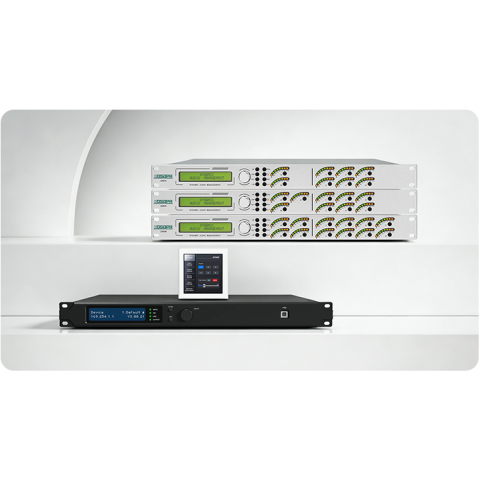
Audio Processor
Advanced DSP-based audio processing for system tuning and sound optimization.
-


8 analog inputs and 8 analog outputs
8 channels Conference Audio Processor with 16x16 Dante
DP8016 -


8 analog inputs and 8 analog outputs
8 channels Conference Audio Processor with 4x4 Dante
DP8084 -


8 analog inputs and 8 analog outputs
8-Channel Conference Audio Processor with AFC ANC AEC DSP
DP8008 -


2 analog inputs and 6 analog outputs
High-End Professional 2-Input 6-Output Audio Processor with DSP Functions
D8826
Audio Source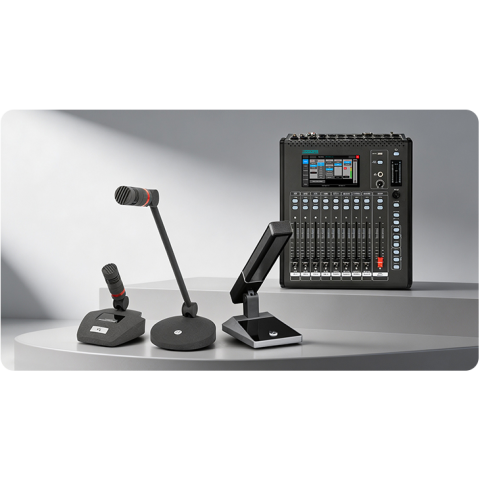
Audio Source
High-sensitivity voice capture for clear paging and speech reproduction.
-


AC110-120V/60Hz/35W AC220-240V/50Hz/35W
1U Multi-Channel Audio Player with CD/USB/FM/Bluetooth
MAG2107C -


AC110V, 60Hz
1U Rack-Mount Audio Mixer with Bluetooth, USB, FM
MP3320 -


100-12kHz (±3dB)
Professional Condenser Conference Desktop Microphone
D5831 -


120Hz-15KHz (±3dB)
True Diversity UHF Wireless Microphone System with Dual-Channel PLL (1 Receiver + 2 Handheld Microphones)
D5821
New Arrivals 2026New Products-
NEW


8x10W 8-Inch
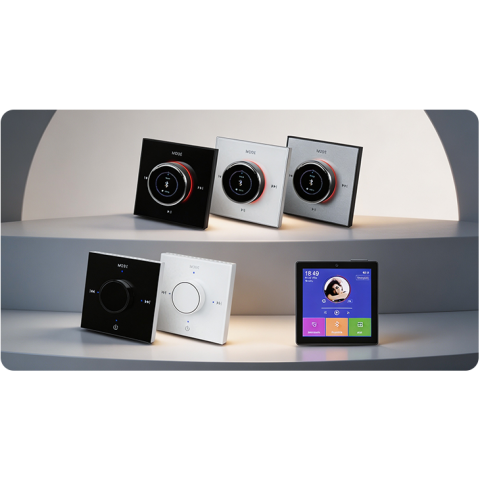
8-Inch Wall-Mounted Smart Touch Panel with Tuya
DM868T -
NEW


4x10W 7-Inch
7-Inch Stereo In-Wall Touchpanel with Tuya
DM938T -
NEW
20W 4"
20W Commercial Weather-Resistant Surface Mount Speaker
DSP6020 -
NEW
50W 6.5''
50W Commercial Weather-Resistant Surface Mount Speaker
DSP6050 -
NEW
100W 6.5''
100W 6.5'' 2-Way Commercial Weatherproof Horn Loudspeaker
DSP4006 -
NEW
6x120W / 6-Channel
6x120W 6-Channel Digital Matrix Amplifier with Remote Zone Control
DMA6112 -
NEW


2x500W
2x500W Digital Multimedia Mixer Amplifier
DMA2500 -
NEW
6x240W / 6-Channel
6x240W 6-Channel Digital Matrix Amplifier with Remote Zone Control
DMA6124
Hot Products-
HOT
8x10W 8-Inch
8-Inch Wall-Mounted Smart Touch Panel with Tuya
DM868T -
HOT
4x10W 7-Inch
7-Inch Stereo In-Wall Touchpanel with Tuya
DM938T -
HOT


8×10W 7-Inch
8×10W 7-Inch Smart Central Control Panel with Tuya
DM838T -
HOT


8x8 Audio Matrix
8x8 Digital Audio Matrix System Main Unit
MAG808 -
HOT
20W 4"
20W Commercial Weather-Resistant Surface Mount Speaker
DSP6020 -
HOT
50W 6.5''
50W Commercial Weather-Resistant Surface Mount Speaker
DSP6050 -
HOT
100W 6.5''
100W 6.5'' 2-Way Commercial Weatherproof Horn Loudspeaker
DSP4006 -
HOT
6x120W / 6-Channel
6x120W 6-Channel Digital Matrix Amplifier with Remote Zone Control
DMA6112
-
NEW
-
Active Line Array SystemActive Column Line Array Speaker System
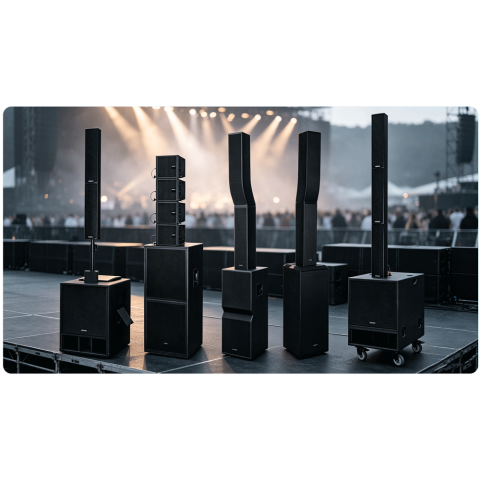
Active Column Line Array Speaker System
Controlled sound coverage with clear sound reproduction and space-efficient installation.
-
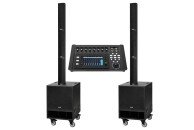
-194x130-resize.jpg)
280w+1000w
Professional Line Array Loudspeaker System
LA-4241B LA-180SUB -
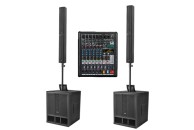
240w+600w
Professional Versatile Column Array Loudspeaker System
LA-4240 LA-15SUB -
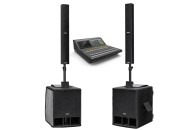
-194x130-resize.jpg)
280w+700w
Professional Line Array Loudspeaker System
LA-4240B LA-150SUB -
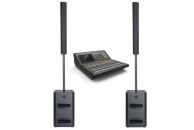
-194x130-resize.jpg)
160W+300W
160W+300W Professional Active Line Array Loudspeaker System
LA0316
Active Line Array Speaker System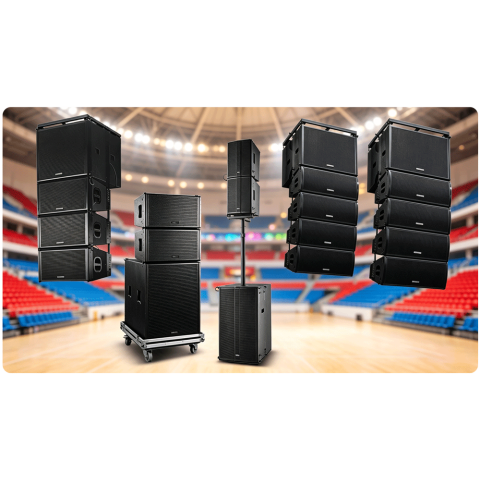
Active Line Array Speaker System
High-output sound reinforcement with long-throw coverage and balanced performance.
-
-194x130-resize.jpg)
65Hz – 18 kHz, 40Hz – 220Hz
Compact Active Array Loudspeaker System
LAM1432 LAM1432SA -
-194x130-resize.jpg)
65Hz–18kHz, 65Hz–18kHz
Compact Mobile Line Array Loudspeaker System
LAM1430 LAM1430SA -
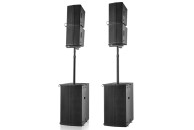
20Hz–20KHz
Compact Active Array Loudspeaker System
LA-8300 LA-212SUB -
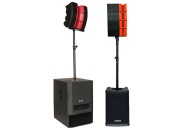
-194x130-resize.jpg)
38–20kHz
15 Inch Active Column Array Speaker with DSP Function
LA1715
Line Array Speaker SystemPassive Line Array Speaker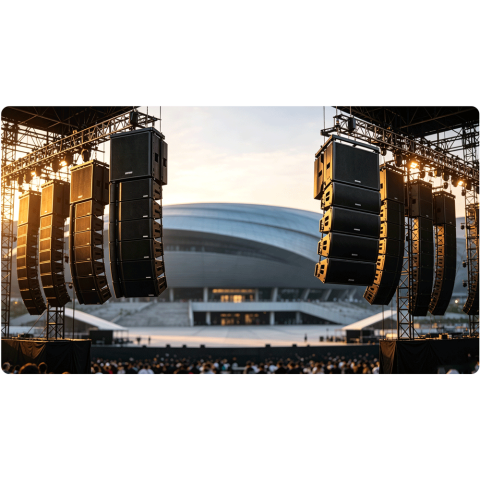
Passive Line Array Speaker
Flexible system configuration for powerful sound reinforcement and audience coverage.
-
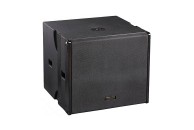
18” Bass×1 ; 35Hz-250Hz ; 800W
800W 18-Inch Professional Subwoofer
LA1428S -
-194x130-resize.jpg)
2×18" LF ; 35Hz–300Hz ; 1200W
1200W Professional Passive Subwoofer
PK218S -
-194x130-resize.jpg)
2×12" LF, 2×3" HF ; 65Hz–18kHz ; 1000W
1000W Passive Line Array Full-Range Loudspeaker
PL212 -
-194x130-resize.jpg)
1×12" LF, 2×3" HF ; 58Hz–18,000Hz ; 450W
450W Passive Line Array Full-Range Loudspeaker
PL112
Outdoor Line Array Loudspeaker-480x480-resize.png)
Outdoor Line Array Loudspeaker
Long-distance sound projection with reliable performance in outdoor environments.
-
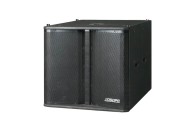
18" woofer ×1 ; 43Hz-250Hz ; 1000W
18-Inch Professional Waterproof Array Subwoofer
LA1420SF -
-194x130-resize.jpg)
38Hz-160Hz ; 500W (AES)
500W 15-Inch Professional Array Woofer
LA1408SF -
-194x130-resize.jpg)
15” Bass×2 ; 30Hz-230Hz ; 1000W (AES)
1000W Waterproof Passive Line Array Subwoofer
LA1421SF -
-194x130-resize.jpg)
10" Bass×2, 3" Treble×1 ; 60Hz– 20kHz ; 600W (AES)
Dual 10-inch 600W Waterproof Line Array Full-Range Speaker
LA1421F
Professional SpeakerProfessional Wallmount Speaker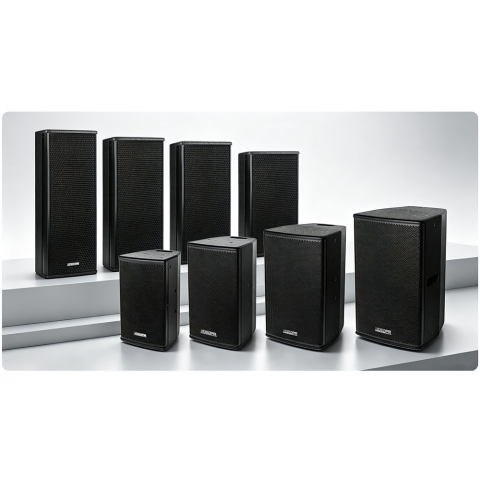
Professional Wallmount Speaker
Flexible sound coverage with convenient surface-mounted installation.
-
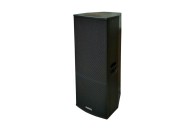
15"woofer×2,3 "tweeter×1 ; 48 Hz -19,000Hz ; 900W
15-Inch 900W Full Range Professional Conference Loudspeaker
D6597 -
-194x130-resize.jpg)
8" Bass×1, 1" Treble×1 ; 85 Hz -18,000Hz ; 100W
8-Inch 100W Professional Full-Range Loudspeaker
D6526 -
-194x130-resize.jpg)
15” woofer × 1, 3” tweeter × 1 ; 58 Hz -19,000Hz ; 450W
15-Inch Professional Full-Range Loudspeaker
D6596 -
-194x130-resize.jpg)
12"woofer × 1,1.75"tweeter × 1 ; 60Hz-19,000Hz ; 350W
12-Inch Professional Full-Range Loudspeaker
D6595
Professional Waterproof Speaker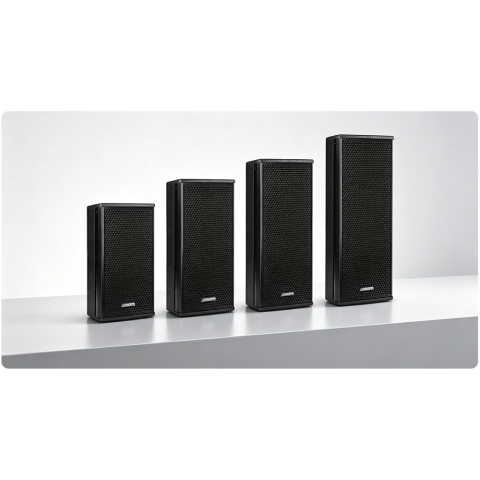
Professional Waterproof Speaker
Reliable outdoor sound reinforcement with weather-resistant protection.
-
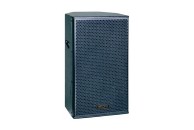
12"woofer×1,1.75"tweeter×1 ; 55 Hz -18,000Hz ; 350W
12-Inch 350W Professional Waterproof Two-Way Loudspeaker
D6565F -
-194x130-resize.jpg)
10" Bass×1, 1.35" Treble×1 ; 56 Hz -20,000Hz ; 250W
10-Inch 250W Outdoor Two-Way Full Range Loudspeaker
D6564F -
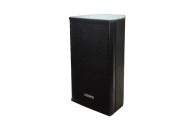
8" Bass×1, 1.35" Treble×1 ; 80 Hz -18,000Hz ; 150W
8-Inch 150W Outdoor Two-Way Full Range Loudspeaker
D6563F
Active Professional Speaker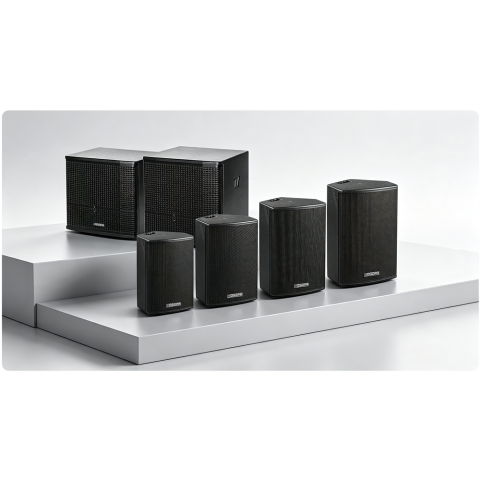
Active Professional Speaker
Integrated amplification for simplified deployment and efficient system operation.
-
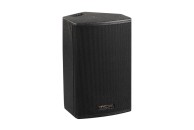
15" bass×1, 1.75” tweeter x1 ; 60Hz –18,000Hz ; 450W(AES)
450W Active 15-Inch Full-Range Professional Loudspeaker
D6536A -
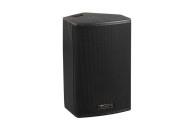
10" bass×1, 1.3” tweeter x1 ; 65Hz –18,000Hz ; 250W(AES)
250W Active 10-Inch Full-Range Professional Loudspeaker
D6534A -
-194x130-resize.jpg)
-194x130-resize.jpg)
350W ; 43Hz-200Hz
Single 350W 15-Inch Active Subwoofer
LA1535S -
-194x130-resize.jpg)
-194x130-resize.jpg)
300W ; 45Hz-200Hz
Single 300W 12-Inch Active Subwoofer
LA1230S
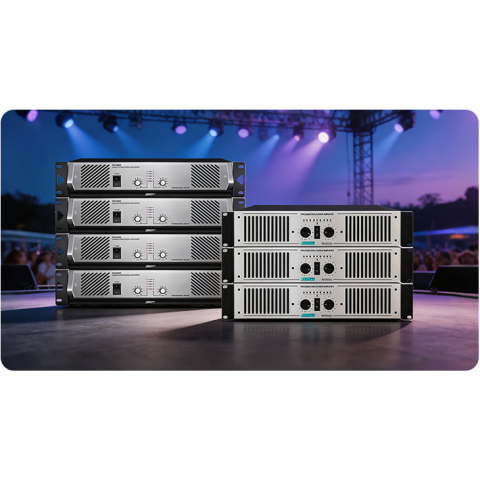
Professional Amplifier2 Channels Class-D Amplifier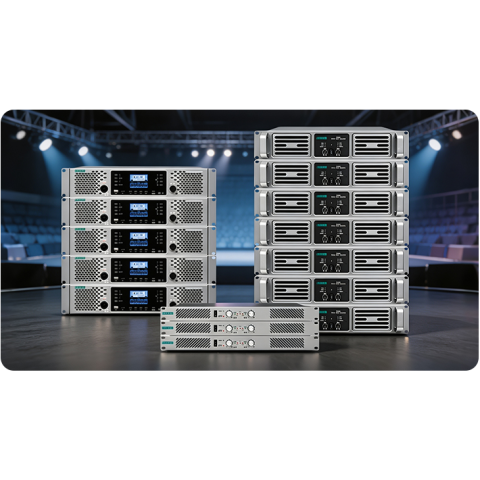
2 Channels Class-D Amplifier
Efficient two-channel amplification for flexible configuration and reliable sound reinforcement.
-
-194x130-resize.jpg)
-194x130-resize.jpg)
300W ; 450W ; 600W ; 800W ; 1000W ; 1300W ; 1600W
2-Channel Stereo Conference Mixer Amplifier
D2030 D2045 D2060 D2080 D2100 D2130 D2160 -
-194x130-resize.jpg)
-194x130-resize.jpg)
2x1300W ; 2x1500W ; 4x600W ; 4x800W ; 4x1000W ; 4x1300W ; 4x1500W
Digital Amplifier with a Display Screen
D5213 D5214 D5411 D5412 D5413 D5414 D5415 D5491D D5492D D5493D D5494D D5495D -
-194x130-resize.jpg)
-194x130-resize.jpg)
350W ; 450W ; 650W ; 800W ; 1000W
Two-Channel Stereo Professional Amplifier
DFX300 DFX400 DFX600 DFX800 DFX1000 -
-194x130-resize.jpg)
-194x130-resize.jpg)
2×130W
Stereo Conference Amplifier with Bluetooth
MK2135
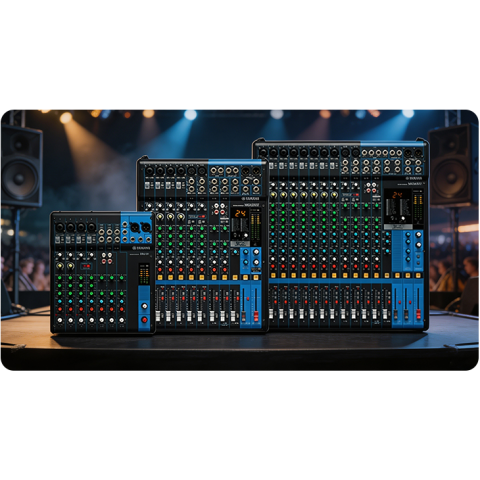
Audio MixerAnalog Audio Mixer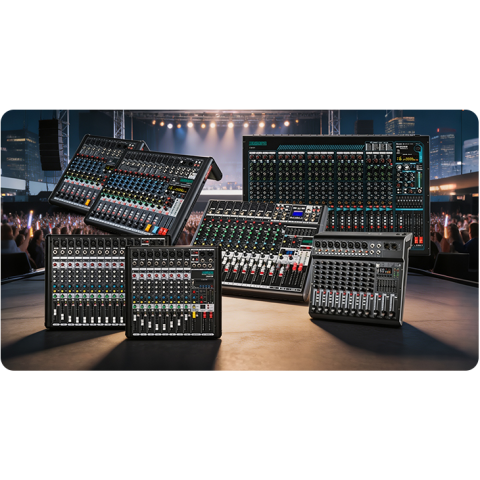
Analog Audio Mixer
Intuitive signal mixing with precise level adjustment and flexible input management.
-
-194x130-resize.jpg)
-194x130-resize.jpg)
20Hz~20KHz±0.5dB ;
12/16/24-Channel 4-Group Bus Mixing Console
PM412 PM416 PM424 -
-194x130-resize.jpg)
-194x130-resize.jpg)
20Hz~20KHz±0.5dB
8/12/16-Channel Analog Mixing Console
PM208 PM212 PM216 -
-194x130-resize.jpg)
+28dBu
Compact 8-Channel Multi-Functional Mixing Console
CM801 -
-194x130-resize.jpg)
-194x130-resize.jpg)
20 Hz-20 kHz +1 dB,-3 dB ®+4 dBu,600 Ω (With gain control at minimum electric level)
8/12/20-Channel Professional Mixing Console
CM412 CM416 CM424
Digital Audio Mixer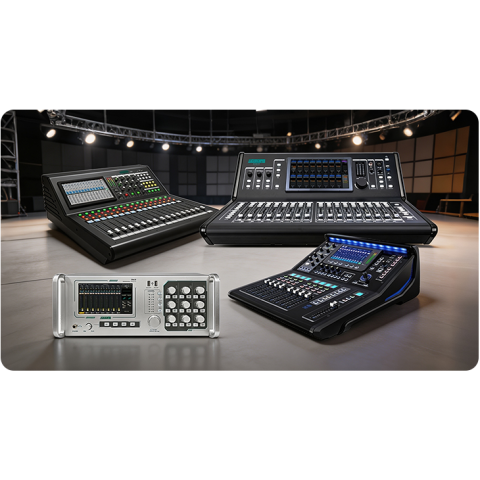
Digital Audio Mixer
Advanced digital processing with flexible routing and scene management.
-
120W × 2 / 8Ω ; 0.01% at +4dBu, 1kHz, Bandwidth 80kHz
6-Channel Audio Mixer with Built-in Amplifier
CM615 -
ADSP-21489 400Mhz ; 20Hz-20KHz ±0.5dB
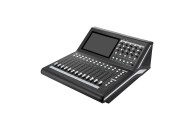
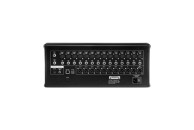
16-Channel Digital Mixing Console
CM16 -
-194x130-resize.jpg)
20Hz-20kHz ±3dB
2 Group 8-Channel Professional Audio Mixer
CM208Y -
-194x130-resize.jpg)
-194x130-resize.jpg)
20Hz ~ 20K Hz ,±0.2dB
16-Input 10-Output Portable Digital Mixing Console
CM1608
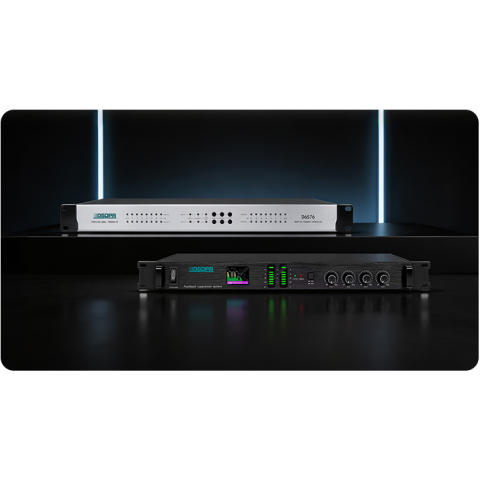
Audio ProcessorClassical Audio Processor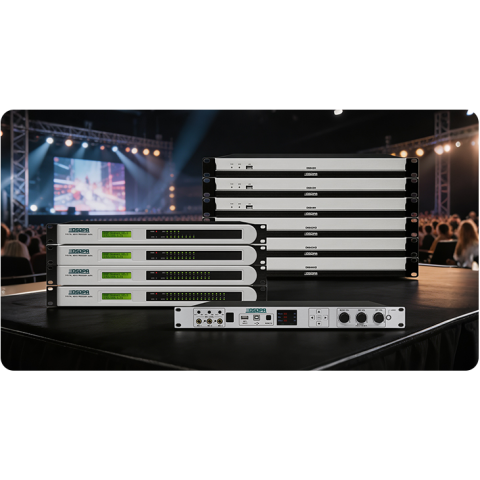
Classical Audio Processor
Reliable signal processing for precise system tuning and consistent audio performance.
-
-194x130-resize.jpg)
-194x130-resize.jpg)
Fully Digital Audio Processor with DSP
D6575 -
-194x130-resize.jpg)
-194x130-resize.jpg)
32-bit fixed/floating-point DSP ; >100dB
Line Array Sound Field Processor with DSP Function
D6684 -
-194x130-resize.jpg)
-194x130-resize.jpg)
20Hz-20kHz (±3dB) ; AC 220-240V/50-60Hz
2 Input 8 Output Audio Signal Distributor
D6571 -
-194x130-resize.jpg)
-194x130-resize.jpg)
120dB ; ≤0.003% @1kHz,+4dBu
8 / 12 / 16 Channel Digital Audio Processor with Echo Suppressor and Dante
D6642HD D6643HD D6644HD
High-End Audio Processor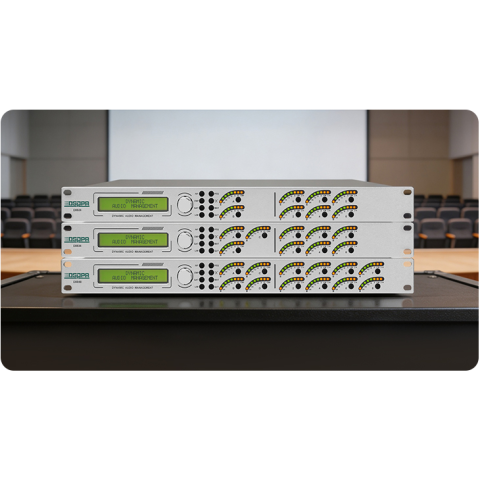
High-End Audio Processor
Advanced signal processing for precise optimization and demanding audio applications.
-
-194x130-resize.jpg)
-194x130-resize.jpg)
128dB ; <0.0008%(+10dBu @ 20Hz~20kHz)
4x8 Analog Professional Audio Processor with DSP Function
D8848 -
-194x130-resize.jpg)
-194x130-resize.jpg)
128dB ; <0.0008%(+10dBu @ 20Hz~20kHz)
3x6 Analog Professional Audio Processor with DSP Function
D8836 -
-194x130-resize.jpg)
128dB ; <0.0008% (+10dBu @ 20Hz~20kHz)
2x6 Analog Professional Audio Processor with DSP Function
D8826
Hot Sale Audio Processor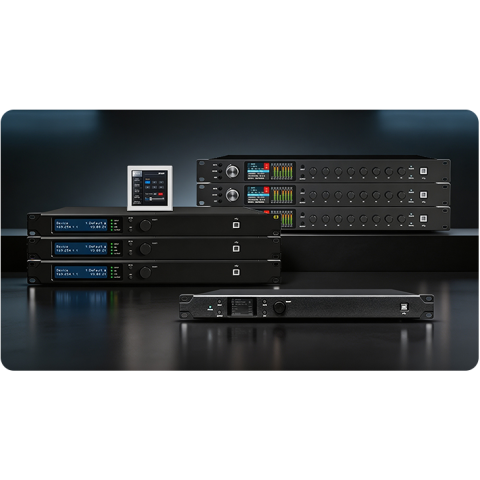
Hot Sale Audio Processor
Versatile signal processing for flexible system configuration and audio optimization.
-
-93dB(@0dBu,1kHz,A-wt)/Line
4 Input and 8 Output Professional Audio Processor with 4x4 Dante
DP408T -
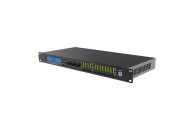
-93dB(@0dBu,1kHz,A-wt)/Line
4 Input and 8 Output Professional Audio Processor
DP408P -
-194x130-resize.jpg)
-194x130-resize.jpg)
3 x XLR (Balanced/Unbalanced)Mic/Line ; 2 x Aux L+R RCA
1U Audio Mixer with Bluetooth, USB, FM
MP3320 -
-194x130-resize.jpg)
-90dB(@17dBu, 1kHz, A-wt)/Line ; -90dB(@-6dBu, 1kHz, A-wt)/Mic, 20dB gain sensitivity
DSP Matrix Audio Processor
DP7008 DP1580 DP1586
Sequence Controller & PeripheralNew Arrivals 2026 -
-
-
Industry Solutions
-
Media CenterCompany News
-
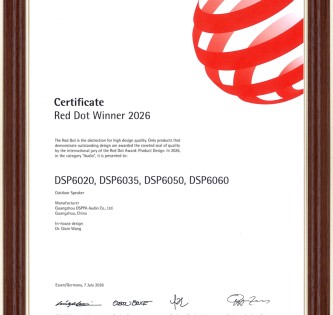
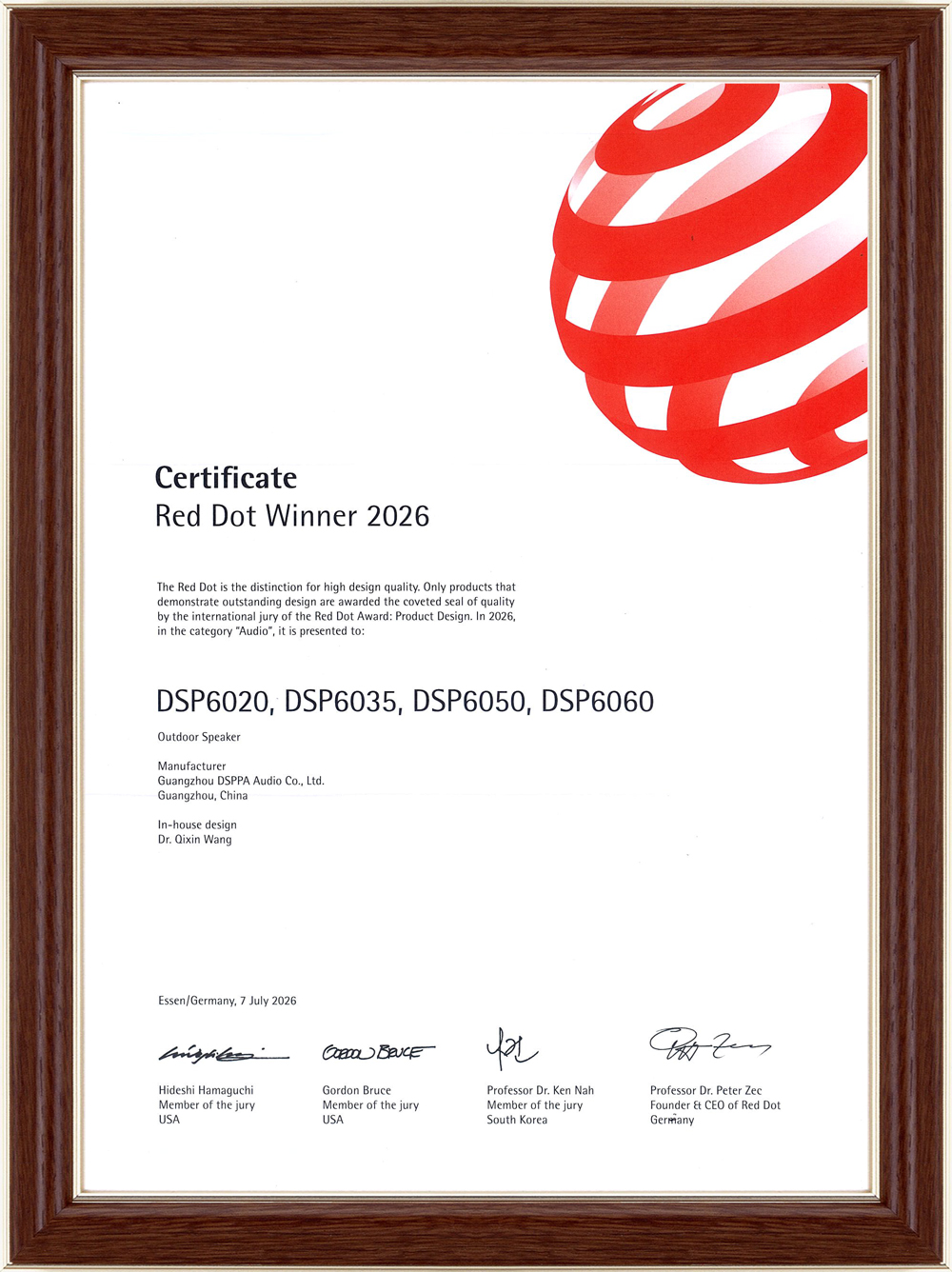
DSPPA | DSP6020 Series Outdoor Speakers Win Red Dot Award: Product Design 2026
Abstract: Officially certified and recognized for award-winning design and real-world performance.
August 25, 2026
-

AUXDIO | New Website Now Live – Redefining Immersive Entertainment Audio
Abstract: AUXDIO, the entertainment audio brand under DSPPA Group, has officially launched its new website, providing customers and partners worldwide with an enhanced digital platform to explore its products, solutions, and brand updates.
August 19, 2026
Follow us on
Blogs-
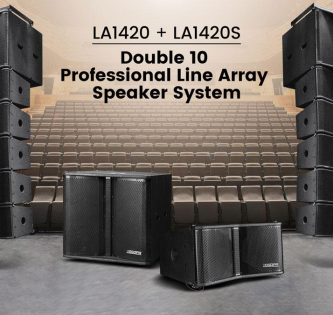
Active vs Passive Line Array Speakers: Which Is Right for Your Sound System?
For professional sound system design in concerts, theaters, worship spaces, sports venues and large events, choosing active or passive line array speakers is critical.
September 16, 2026
-

The Ultimate Guide to Choosing the Best UHF Wireless Microphone System for Professional Audio
In the world of live performance, corporate presentations, and educational lectures, nothing kills the vibe faster than a crackling, dropping, or failing audio
February 13, 2026
Follow us on
-




-194x130-resize.jpg)
-194x130-resize.jpg)
-194x130-resize.jpg)
-194x130-resize.jpg)
-194x130-resize.jpg)
-194x130-resize.jpg)
-194x130-resize.jpg)
-194x130-resize.jpg)
-480x480-resize.png)



-194x130-resize.jpg)










-194x130-resize.jpg)

-194x130-resize.jpg)
-194x130-resize.jpg)
-194x130-resize.jpg)
-194x130-resize.jpg)

-194x130-resize.jpg)
-194x130-resize.jpg)


-480x480-resize.png)
-480x480-resize.png)
-194x130-resize.jpg)
-194x130-resize.jpg)
-194x130-resize.jpg)
-194x130-resize.jpg)
-194x130-resize.jpg)
-194x130-resize.jpg)
-194x130-resize.jpg)
-194x130-resize.jpg)
-194x130-resize.jpg)


-295x250-fit.jpg)


.png)



-552x376-fit.png)

.jpg)


.jpg)

.jpg)
 English
 Español
 italiano
 русский